
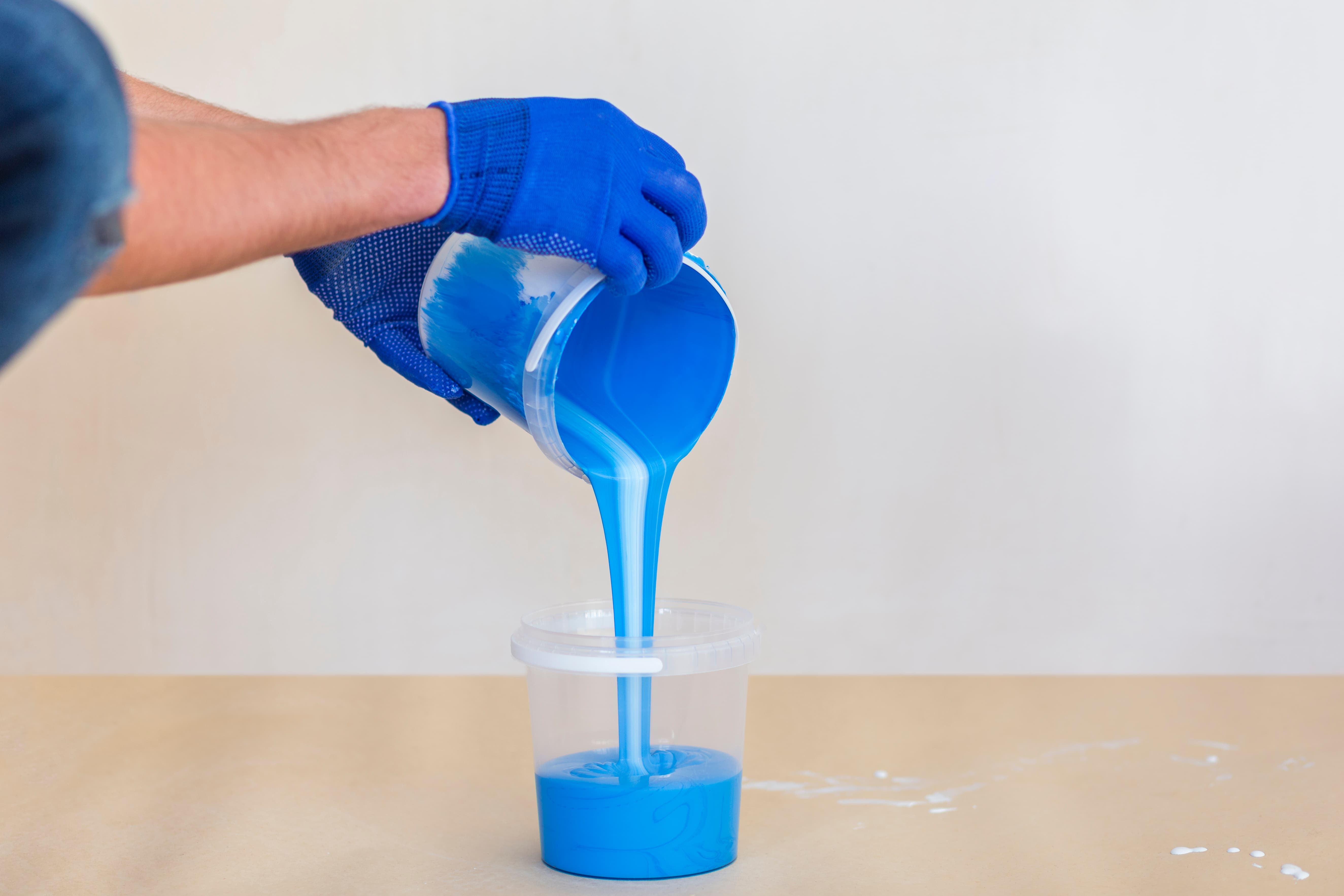
Polyurethane Waterproof Coating for Concrete: Types, Application, and How to Choose
Polyurethane waterproof coating for concrete, also sold as urethane sealer, is a liquid-applied membrane that cures into a seamless, flexible barrier against water intrusion. It comes in single-component (1K) and two-component (2K) systems, and the right choice depends on your substrate, exposure, and project scale. This guide covers both, plus the related repair products, foam, crack sealant, and liquid rubber, that solve narrower problems the full membrane is not built for.
Quick Answer
Polyurethane waterproof coating for concrete is a liquid-applied elastomeric membrane that bonds to the surface and cures into a seamless, crack-bridging barrier. It resists standing water, UV exposure, and chemical attack better than most cementitious alternatives, and it is applied by roller, brush, or spray in two to three coats.
What Is Polyurethane Waterproof Coating for Concrete?
Polyurethane waterproof coating is an elastomeric membrane made from isocyanate and polyol reactants. Once applied, it cures into a continuous, joint-free film that stretches with the concrete instead of cracking against it.
Concrete is porous and moves. It expands, contracts, and develops hairline cracks as it ages. A rigid coating cracks along with it, but polyurethane stays flexible enough to bridge those cracks without losing its seal. That single property is why polyurethane has become the default choice for roofs, balconies, basements, and wet commercial floors where the substrate is expected to shift over its service life.
How Polyurethane Bonds to Concrete
The coating penetrates the surface pores of properly prepared concrete, then cures into a mechanical and chemical bond. Adhesion strength depends heavily on surface preparation, which is why ASTM D5295 exists as a dedicated guide for conditioning concrete before membrane application. Skipping this step is the single most common reason polyurethane coatings fail early.
Key Properties That Matter for Buyers
- Elasticity. Most polyurethane systems elongate 300 to 1000 percent before tearing, which lets them bridge cracks up to several millimeters wide.
- Adhesion. Bonds directly to concrete, masonry, metal, and asphalt without a separate bonding agent in most cases.
- UV and chemical resistance. Aliphatic formulations resist yellowing and chalking under sunlight; aromatic formulations cost less but are better suited to shaded or covered areas.
- Seamless finish. No laps, seams, or joints, which removes the weak points that plague sheet membranes.
1K vs 2K Polyurethane: Which Type Fits Your Project?
Choosing between single-component and two-component polyurethane comes down to project size, crew skill level, and cure-time flexibility. Small repairs and DIY-scale jobs favor 1K systems, while large commercial and industrial applications favor 2K systems for their strength and control.
Single-Component (Moisture-Cured) Polyurethane
Single-component polyurethane, also called moisture curing polyurethane sealant, cures by reacting with atmospheric moisture, so it ships ready to use with no mixing. This makes it forgiving for small crews and repair work, but cure speed depends on ambient humidity, which can slow projects down in dry climates.
Two-Component (Mixed) Polyurethane
Two-component polyurethane requires precise mixing of a resin and a hardener before application. In exchange for that extra step, it delivers higher tensile strength, more consistent cure times regardless of humidity, and better performance under sustained hydrostatic pressure. Most large commercial waterproofing specifications call for 2K systems for this reason.
Water-Based vs Solvent-Based vs Aliphatic and Aromatic
| System | Odor | Best For | Trade-off |
|---|---|---|---|
| Water-based PU | Low | Indoor, occupied spaces, wet areas | Slightly lower chemical resistance |
| Solvent-based PU | Higher | Exterior, industrial floors | Stronger film, but needs ventilation during cure |
| Aliphatic PU | Low to moderate | UV-exposed roofs, balconies | Higher material cost |
| Aromatic PU | Moderate | Covered or below-grade areas | Yellows under sunlight |
Polyurethane vs Epoxy vs Cementitious Waterproofing
Polyurethane, epoxy, and cementitious coatings solve the same problem in different ways, and picking the wrong one for a moving substrate is the most expensive mistake a specifier can make. Polyurethane wins on flexibility, epoxy wins on abrasion resistance, and cementitious systems win on cost for static, below-grade applications.
| Factor | Polyurethane | Epoxy | Cementitious |
|---|---|---|---|
| Flexibility / crack bridging | High | Low | Low |
| Chemical resistance | High | Very high | Moderate |
| UV resistance | High (aliphatic) | Low, yellows outdoors | High |
| Substrate movement tolerance | Excellent | Poor | Poor |
| Typical lifespan | 10 to 20 years | 10 to 15 years | 5 to 10 years |
| Relative cost | Moderate to high | Moderate | Low |
When Polyurethane Is the Right Call
Choose polyurethane when the concrete is exposed to weather, expected to move, or sits above occupied space, such as roofs, terraces, balconies, and parking decks. Choose epoxy for interior floors under heavy abrasion with no crack-bridging requirement. Choose cementitious systems for below-grade, budget-driven jobs where flexibility is not a concern.
Polyurethane Foam, Crack Sealant, and Liquid Rubber: Choosing the Right Repair Product
A full membrane coating is not always the right tool. Active leaks, isolated cracks, and small voids often call for a narrower repair product first, with the membrane applied afterward as the long-term seal. Confusing these categories is the second most common specification mistake after skipping surface prep.
Polyurethane Foam for Concrete Repair
Polyurethane foam for concrete repair is injected into cracks and voids under pressure, where it reacts with moisture already present and expands to two to forty times its original volume. This makes it the standard choice for actively leaking cracks, foundation walls, and below-grade joints, since the foam seals the void from the inside rather than sitting on top of it. Hydrophobic foam repels water and expands fastest against active leaks, while hydrophilic foam mixes with water and is better suited to controlled, non-urgent gaps. Foam injection stops water; it does not restore structural strength, so cracks tied to settlement or load-bearing damage still need an epoxy structural repair alongside it.
Polyurethane Crack Sealant for Leak Repair
Polyurethane crack sealant is a lower-pressure, surface-applied option for hairline and moderate cracks that are not actively gushing water. It is dispensed from a cartridge or gun, fills the crack from the surface down, and cures into a flexible plug that moves with the concrete. This is the right product for crack leak repair on driveways, sidewalks, and non-critical slabs, where full foam injection equipment is not justified and a full-surface membrane coating would be overkill.
Sprayable Liquid Rubber and Rubber Seal Paint
Sprayable liquid rubber and rubber seal paint cover a middle ground between crack-specific sealants and a full polyurethane membrane. These products go on by spray gun or brush in a similar way to a thick paint, and they are commonly used for smaller waterproofing leakage jobs, like sealing a gutter, patching a small section of foundation wall, or coating a garden feature, where a full commercial-grade polyurethane specification is not necessary. They cost less and cure faster than a true two-component polyurethane system, but they generally will not match its tensile strength, UV stability, or long-term hydrostatic resistance on large or structural applications.
Where Polyurethane Waterproof Coating Is Used
Roofs, Balconies, and Terraces
Exposed concrete decks face the widest temperature swings and the most UV exposure of any application. Aliphatic polyurethane is the standard choice here because it resists chalking and color loss over years of sun exposure.
Basements and Foundations
Below-grade concrete deals with constant soil moisture and, in many cases, sustained hydrostatic pressure. Two-component systems tested to ASTM D5385 hydrostatic resistance standards are the safer specification for foundations, since a coating that only handles surface moisture will fail under pressure.
Wet Areas: Kitchens, Bathrooms, and Water Tanks
Indoor wet areas need low-odor, often water-based formulations that cure safely in occupied or poorly ventilated spaces. Note that not every polyurethane coating is rated for continuous water immersion or potable water contact, so confirm this on the technical data sheet before specifying it for a tank or reservoir.
Industrial and Commercial Concrete Floors
Warehouses, parking structures, and manufacturing floors combine foot and vehicle traffic with the need for a seamless waterproof layer. These jobs typically call for a 2K system with an integral wearing course, tested under ASTM C957 rather than the separate-wearing-course standard used for exposed roof membranes.
How to Apply Polyurethane Waterproof Coating on Concrete
Surface Preparation
Preparation determines whether the coating bonds for years or peels within months. Confirm the concrete has cured at least 28 days, test for residual moisture, and remove laitance, dust, oil, and old coatings by mechanical grinding or shot blasting. ASTM D5295 outlines these preparation steps in detail and is worth following even on small jobs.
Step-by-Step Application
- Clean and grind the surface to remove contaminants and open the concrete pores.
- Repair cracks and voids with a compatible filler before coating.
- Apply a primer if the manufacturer's data sheet calls for one, especially on porous or previously coated concrete.
- Apply the first coat by roller, brush, or airless spray, working in one direction.
- Allow the recommended tack-free time, then apply the second coat perpendicular to the first to eliminate pinholes.
- Apply a third coat in high-traffic or high-exposure areas, or wherever the manufacturer specifies a minimum dry film thickness that two coats will not meet.
Coverage Rate and Number of Coats
Most polyurethane coatings cover between 12 and 16 square feet per kilogram per coat, depending on substrate porosity and application method. A typical two-coat system on smooth, prepared concrete needs roughly 1.5 to 2 kg per square meter total. Always calculate coverage from the manufacturer's data sheet rather than a general estimate, since porous or textured concrete can absorb 20 to 30 percent more material.
Cure Time and Recoat Windows
Tack-free time for most systems runs four to eight hours at 20°C, with full cure taking three to seven days depending on formulation and humidity. Recoating outside the manufacturer's stated window, in either direction, weakens the bond between layers, so track application times on site rather than estimating by feel.
Standards, Certifications, and Quality Checks
ASTM Benchmarks Worth Knowing
Buyers evaluating a polyurethane waterproof coating should ask which ASTM standards the product has been tested against, since marketing claims without a referenced standard carry little weight. The standards most relevant to concrete waterproofing include:
- ASTM C836 and C957 cover liquid-applied elastomeric membranes, with C836 addressing systems that use a separate wearing course and C957 addressing systems with an integral wearing course, such as parking decks.
- ASTM D5385 measures a membrane's hydrostatic pressure resistance, which matters directly for basements and below-grade walls.
- ASTM D5295 guides surface preparation and is the reference point contractors should follow before any membrane goes down.
- ASTM D8463 applies to high-solids, cold liquid-applied membranes and is increasingly cited in newer product data sheets.
What to Ask a Supplier Before Bulk Ordering
- Which ASTM or ISO standard was the product tested against, and can they share the test report?
- What is the recommended dry film thickness, and does the stated coverage rate reflect that thickness?
- What is the shelf life, and how is the product stored and shipped to protect it from moisture exposure before use?
- Is there a minimum order quantity, and can they provide a sample for on-site adhesion testing before a bulk commitment?
How to Choose a Polyurethane Waterproof Coating Supplier
MOQ, Lead Time, and Sample Policy
Suppliers who hesitate to provide a small sample batch before a bulk order are worth treating with caution. A supplier confident in their formulation will support a test patch on your actual substrate, since site conditions vary enough that lab data alone does not guarantee field performance.
Red Flags in Technical Data Sheets
Watch for data sheets that list performance figures without a referenced test standard, omit application temperature ranges, or leave out recoat windows. These gaps usually mean the figures were copied from a competitor rather than generated through actual testing.
Sourcing Experience
[Insert a first-hand sourcing note here: a specific project, a supplier vetting story, or a lesson learned from a failed batch or delayed shipment. This is the section that should carry your company's actual experience, since generic advice cannot substitute for it.]
How to Evaluate Waterproof Sealant Product Info Before You Buy
Marketing copy on a product page rarely tells you what you actually need to know. Before treating any listing as reliable waterproof sealant product info, check it against the same criteria a specifier would use, not the star rating.
What to Check Instead of the Review Score
- Tested standard, not just a claim. A listing that says "waterproof" without naming ASTM C836, C957, or D5385 has not shown you evidence, only a description.
- Application range. Confirm the product is rated for your actual surface, vertical wall, horizontal deck, submerged tank, or crack, since a single formulation rarely covers all four well.
- Cure and recoat window. Products with vague or missing cure times are harder to schedule around and more likely to fail from a mistimed second coat.
- Real coverage rate. Cross-check the stated coverage against the dry film thickness required for your ASTM rating. A low price per liter is meaningless if you need three coats to hit spec instead of two.
Best Waterproof Concrete Crack Sealer, by Job Type
| Job | Best-fit product | Why |
|---|---|---|
| Actively leaking crack, foundation wall | Polyurethane foam injection | Reacts with water, expands into the void, stops flow fast |
| Hairline or dormant surface crack | Polyurethane crack sealant | Flexible surface seal, no injection equipment needed |
| Small patch, gutter, garden wall | Sprayable liquid rubber or rubber seal paint | Fast, low-cost, brush or spray applied |
| Full roof, balcony, or basement wall | Two-component polyurethane membrane | Meets ASTM C836/C957/D5385, long service life |
| Parking deck or trafficked floor | 2K polyurethane with integral wearing course | Rated to ASTM C957 for abrasion plus waterproofing |
Common Problems and How to Avoid Them
Bubbling, Peeling, and Yellowing
Bubbling usually traces back to moisture trapped in the concrete before coating, which expands as the film cures and pushes the membrane up from the surface. Peeling almost always points to inadequate surface preparation or a skipped primer coat. Yellowing affects aromatic formulations exposed to UV light; specifying an aliphatic system on exposed surfaces avoids this from the start.
Application Mistakes That Cause Leaks
The most common field errors are applying coats too thin to meet the specified dry film thickness, recoating outside the manufacturer's window, and skipping detail work around penetrations, drains, and corners where cracks and leaks concentrate first.
FAQ
Is polyurethane waterproof coating safe for continuous water immersion?
Not all formulations are rated for continuous immersion or below-waterline use. Confirm this specifically on the technical data sheet, since standard exterior-grade polyurethane is designed for weather exposure, not sustained submersion.
How long does polyurethane waterproofing last on concrete? Most properly applied two-component systems last 10 to 20 years, while single-component systems typically last 8 to 15 years. Actual lifespan depends on UV exposure, foot or vehicle traffic, and how well the surface was prepared before application.
Can polyurethane coating go over old sealant or coating?
Only if the existing layer is compatible and properly bonded. Incompatible coatings trap moisture or solvents at the interface, which causes bubbling and delamination. When in doubt, remove the old coating down to bare, prepared concrete.
Is polyurethane waterproofing safe for drinking water tanks? Only products specifically certified for potable water contact are safe for this use. Standard construction-grade polyurethane coatings are not rated for drinking water tanks, and using an uncertified product in this application is a compliance risk, not just a performance one.
Should I use a crack sealant or a full waterproof coating to stop waterproofing leakage?
Use a crack sealant or foam injection when the leak is isolated to one crack or joint, since treating the whole surface would be unnecessary cost. Use a full membrane coating when the concrete shows multiple cracks, general porosity, or is due for waterproofing regardless of visible leaks, since spot-treating a surface that is failing broadly only delays the larger repair.